Tailing pedogenesis and ecological reconstruction

We investigate mineral weathering, secondary mineral formation, organic carbon stabilization, and structural development during the transformation of mine tailings into soil-like substrates.

Mine tailings commonly have narrow particle-size distribution, limited aggregate structure, low organic matter and nutrient contents, abnormal pH or salinity, and potential metal mobility. These constraints limit plant establishment and ecological function recovery. This direction studies mineral weathering, element release, and secondary mineral formation during tailing pedogenesis driven by organic inputs, plant roots, and microbial activity.

We focus on the coupling between Fe, Si, and Al mineral transformation and organic matter stabilization, and examine how rhizosphere processes, microbial succession, and organo-mineral complexation regulate aggregate development, carbon and nitrogen accumulation, and contaminant retention. These results provide mechanistic support for optimizing tailing pedogenesis technologies and evaluating long-term ecological stability.
Contrasts among tailing landforms, vegetation recovery, and soil profiles
Comparisons among rehabilitation stages and tailing types help identify key environmental factors that limit tailing pedogenesis rates and ecological function recovery.
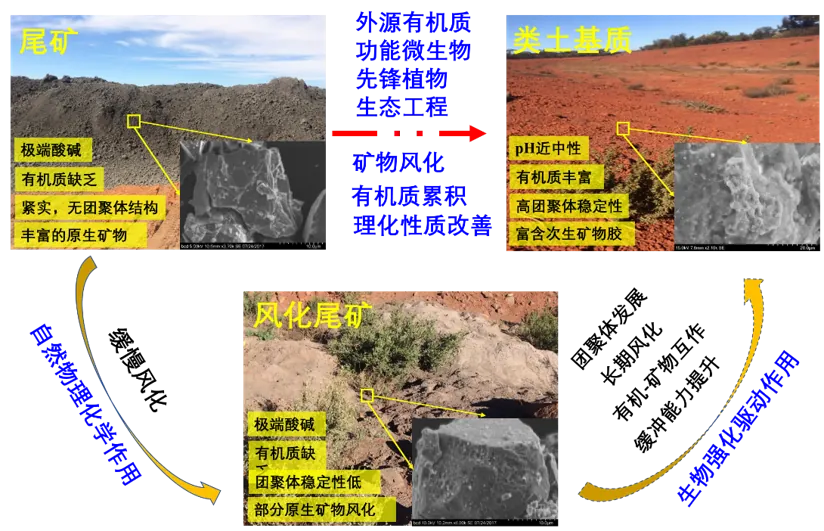
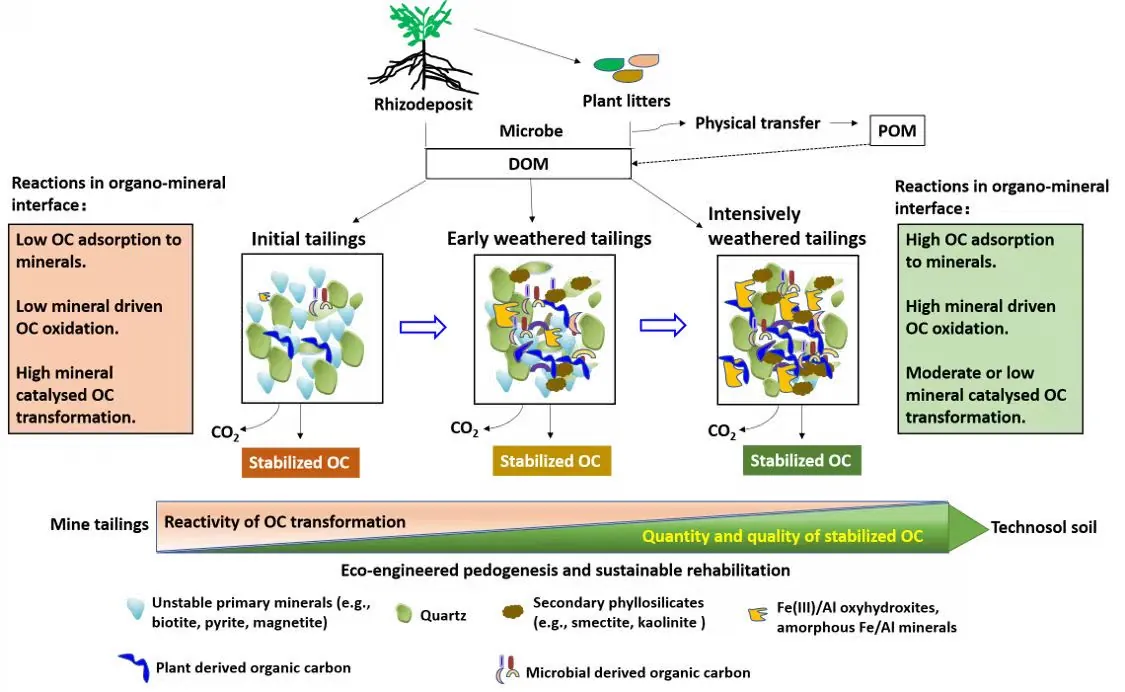
Conceptual framework of mineral weathering and organic carbon stabilization during tailing pedogenesis
During the transformation from initial tailings to soil-like substrates, plant residues, rhizodeposits, and microbial organic matter are continuously supplied; secondary clay minerals and Fe/Al oxides formed by mineral weathering increase organic carbon adsorption and stabilization.
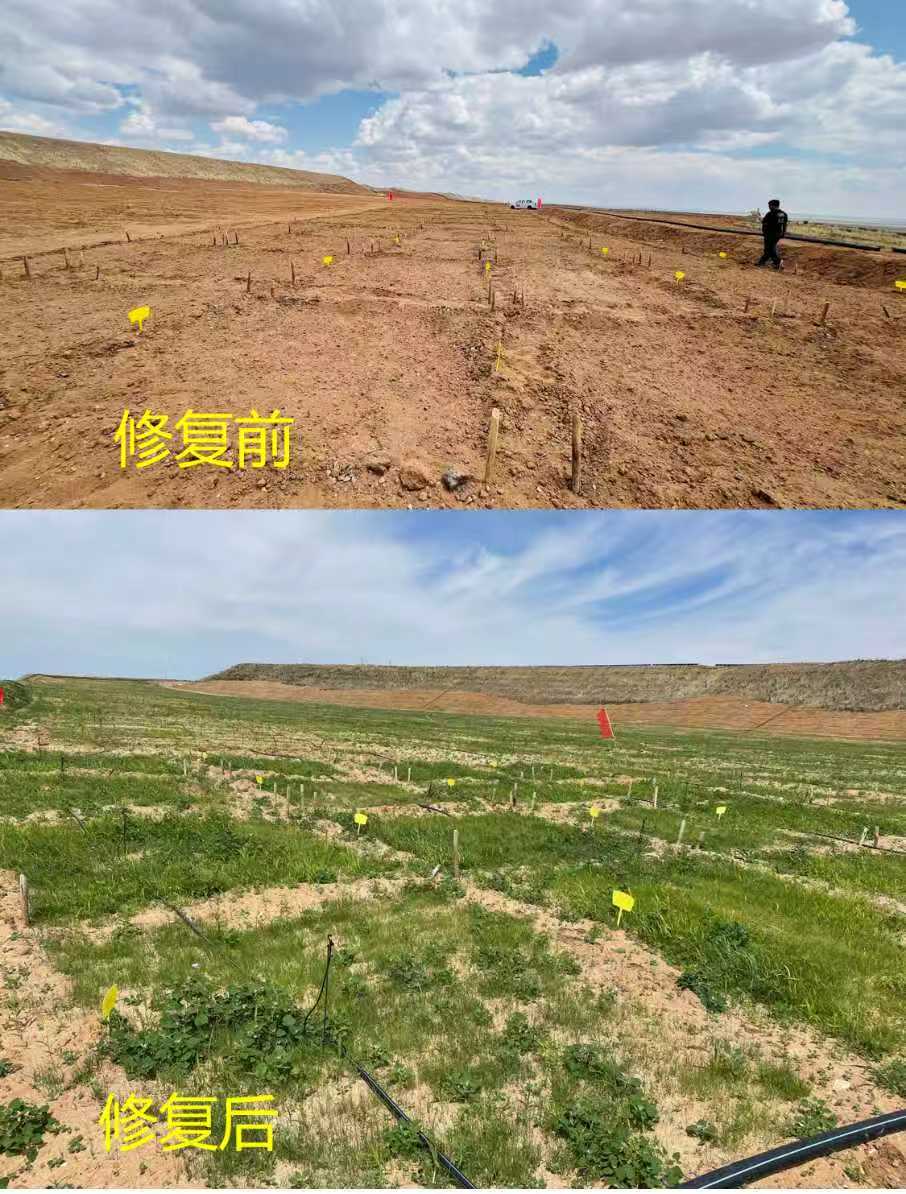
Surface cover and vegetation recovery before and after tailing rehabilitation
Field-scale comparisons before and after rehabilitation show that vegetation establishment and surface cover modify tailing surface structure, erosion risk, and the basic conditions for ecological recovery.
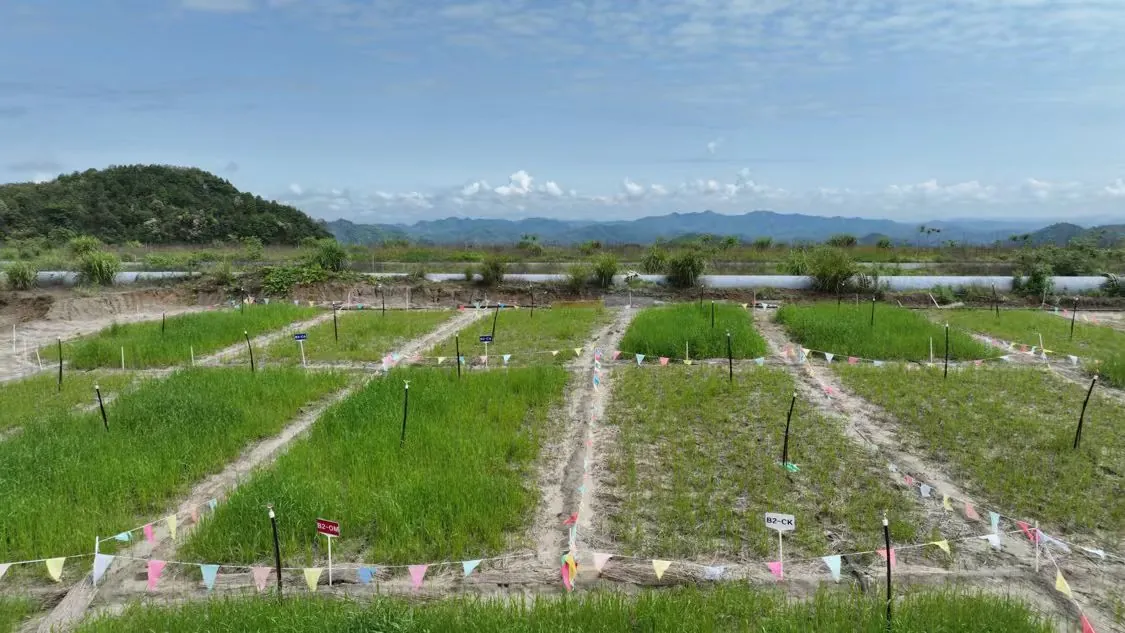
Field plots for tailing ecological reconstruction
Long-term field plots and controlled experiments are used to evaluate how different rehabilitation measures affect tailing physicochemical properties, plant growth, aggregate formation, and carbon and nitrogen accumulation.