Research
Soil structure and ecological function reconstruction
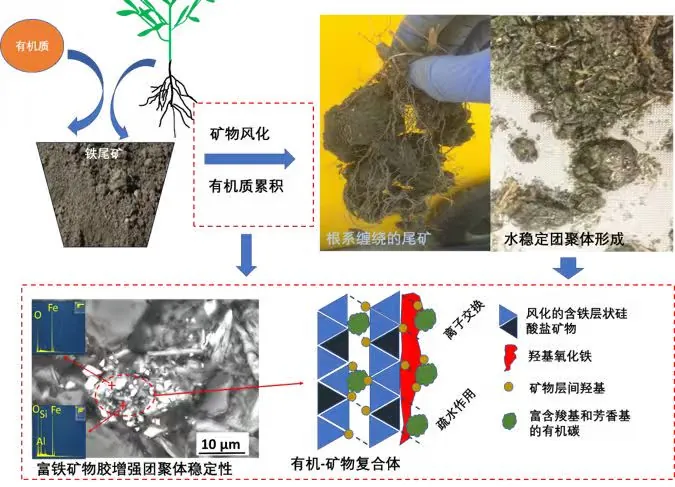
We examine how plant roots, rhizosphere microorganisms, and arbuscular mycorrhizal fungi regulate aggregate formation, organic matter accumulation, nutrient cycling, and plant stress resistance.
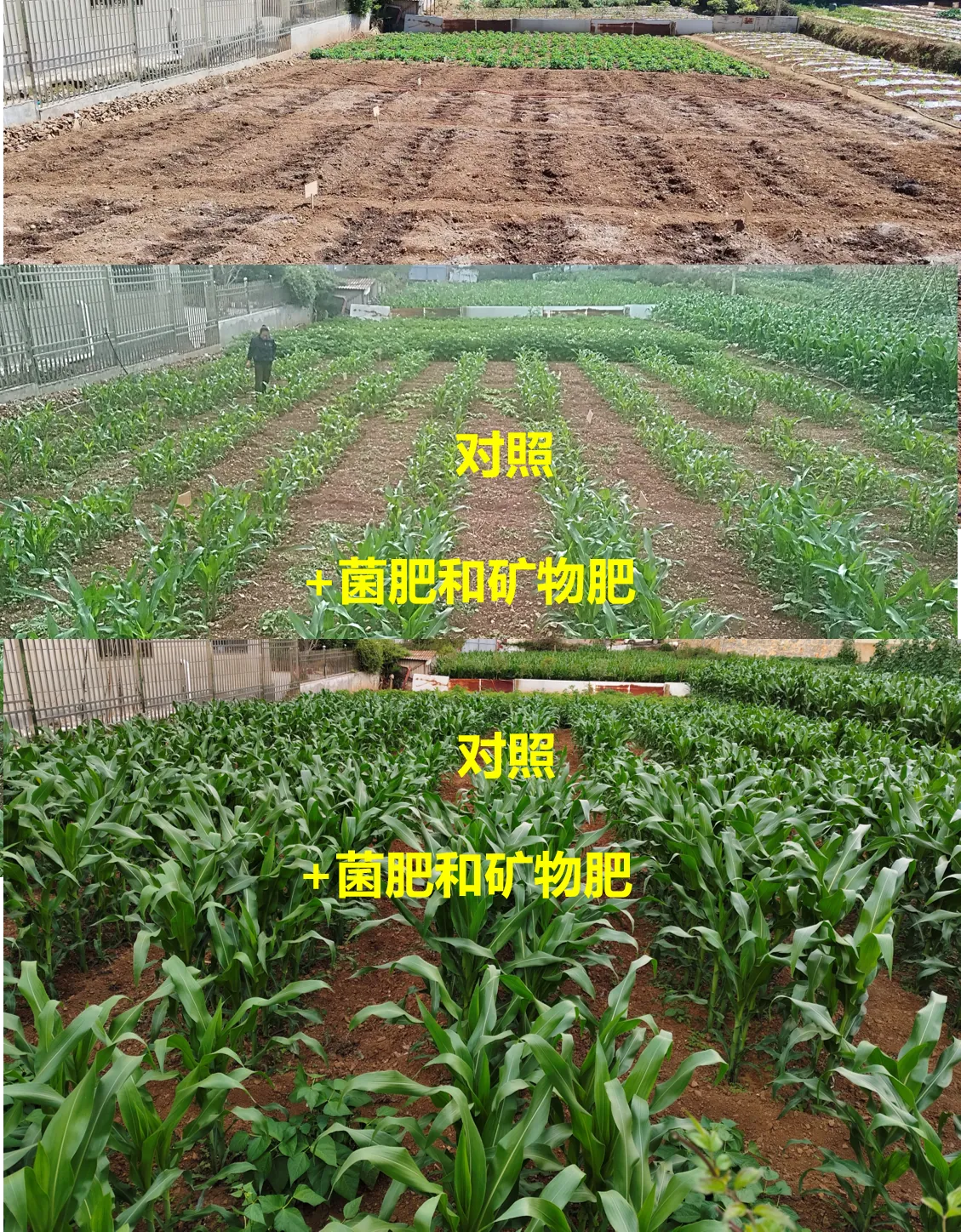
Degraded soils and early-stage tailing substrates often have insufficient structural stability, low nutrient cycling efficiency, and slow recovery of ecological functions. This direction examines how plant-microbe interactions shape soil structure and functional recovery, with particular attention to arbuscular mycorrhizal fungi (AMF) in rhizosphere carbon input, mineral surface reactions, aggregate stability, and plant stress resistance.
By combining field surveys, controlled experiments, and multi-scale characterization, we evaluate how AMF diversity, hyphal networks, and mycorrhiza-derived organic matter influence the spatial coupling of organic carbon, nitrogen, and mineral components. The goal is to develop plant-microbe regulation strategies that can be used in ecological rehabilitation practice.